
Negotiations between Iran and the United States must resume “as soon as possible” after the funeral of Ayatollah Ali Khamenei, Qatari and Pakistani mediators said on Thursday, after exchanges of strikes which had threatened the truce.
• Also read: Trump talks about ‘very good’ indirect talks with Iran in Qatar
• Also read: Strait of Hormuz evacuation plan suspended after attack
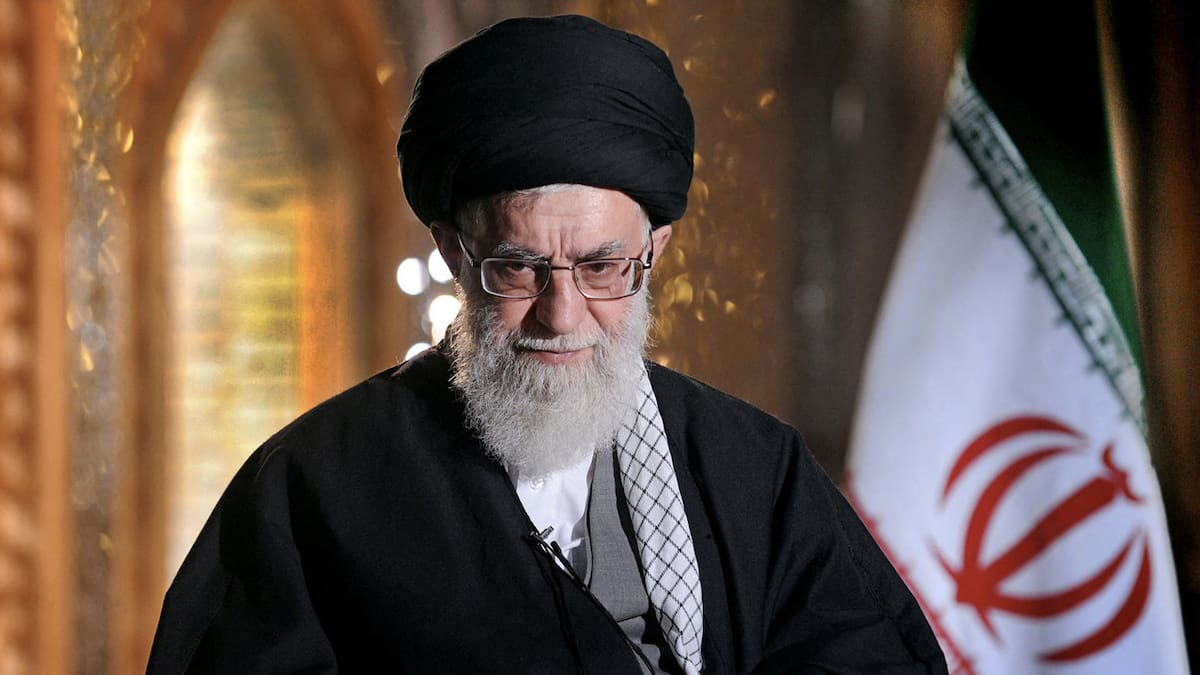
The funeral of the former Iranian supreme guide, killed on February 28 on the first day of the Israeli-American offensive against Tehran which triggered the regional war, begins on Saturday and will last six days.
After that, discussions to put a lasting end to hostilities, notably addressing the thorny issues of the Strait of Hormuz and Iranian nuclear power, will be organized “as soon as possible”, according to the foreign ministries of Qatar and Pakistan.
These mediators indicated in press releases that they had “separate meetings with American and Iranian negotiators on Wednesday in Doha, with positive progress” regarding the memorandum of understanding signed on June 17.
Since the signing of this text, Washington and Tehran have been engaged in negotiations supposed to last 60 days, a renewable deadline.
According to the official Iranian agency Irna, these technical negotiations ended with an agreement allowing Iran to acquire the products it needs with part of its assets frozen in Qatar. The parties also approved the establishment this Thursday of a communication channel to report and identify possible violations of the memorandum of understanding.
Donald Trump spoke of “very good meetings”, although Iran refuses that they are direct.
“The denuclearization of Iran is progressing well,” declared the American president. “We hit them very hard”, but “we get along very well”.
Giant portraits of Ayatollah Khamenei
Initially scheduled for early March, the funeral of Ayatollah Khamenei, who led the Islamic Republic of Iran for nearly 37 years, was postponed due to the war.
His remains will be exhibited from Saturday at the Mosalla in Tehran, a vast complex whose facade is covered with giant portraits, AFP journalists noted.
The authorities expect between 15 and 20 million people in the capital alone.
If the signing of the pact between Washington and Tehran made it possible to reduce the intensity of the conflict, significant tensions persist in particular around Iranian nuclear power and the management of the Strait of Hormuz, where ships have been attacked despite the memorandum of understanding.
Iran repeats its desire to impose a right of passage in one form or another, a measure deemed unacceptable by the United States.
The US Middle East Command (Centcom) reported on Wednesday a meeting in Bahrain with defense officials from 12 countries, mainly from the Gulf, to discuss security.
“The officials underlined their shared commitment to the free flow of trade across the Strait of Hormuz,” Centcom said on X.
Iranian Deputy Foreign Minister Kazem Gharibabadi, present in Doha for the technical discussions, retorted on Thursday that the strait, a strategic route for global hydrocarbon trade, was “placed under the command of Iran, not Centcom”.
“The security of the region will be ensured by the end of interventions and the withdrawal of the United States from the area, respect for the sovereignty of countries and the acceptance of new geopolitical realities, not under the military umbrella of America,” he said on X.
On the Lebanese front, which Tehran demanded to be included in the talks, a framework agreement for a “lasting peace” was signed last week in Washington.
The text signed between Israel and Lebanon conditions a withdrawal of Israel from the south of the country – where its troops entered at the start of the new conflict with the pro-Iranian Hezbollah – on the disarmament of the latter, which refuses to do so.
Lebanon was drawn into the conflict on March 2, when Hezbollah carried out fire on northern Israel in support of Iran, targeted by the American-Israeli offensive. Israeli bombings and operations have since left more than 4,200 dead, according to Beirut.