
Gas stations, pharmacies, port facilities, waste management, renewable energies, tourism…: Cuba, in the grip of a severe economic crisis and put under pressure by Washington, announced on Wednesday the opening of numerous sectors of its economy to private actors.
• Also read: Cuba’s president accuses the United States of wanting to “appropriate” the island
• Also read: Spanish hotel chains Melia and Iberostar cease operations in Cuba
Cuba is thus drastically reducing the number of activities prohibited to private companies, a few weeks after the approval by Parliament of a package of 176 measures in favor of opening to the market economy.
The new regulations “considerably broaden the scope of action of entrepreneurs and private companies on the island,” state media reported, relaying the new regulations issued by decree.
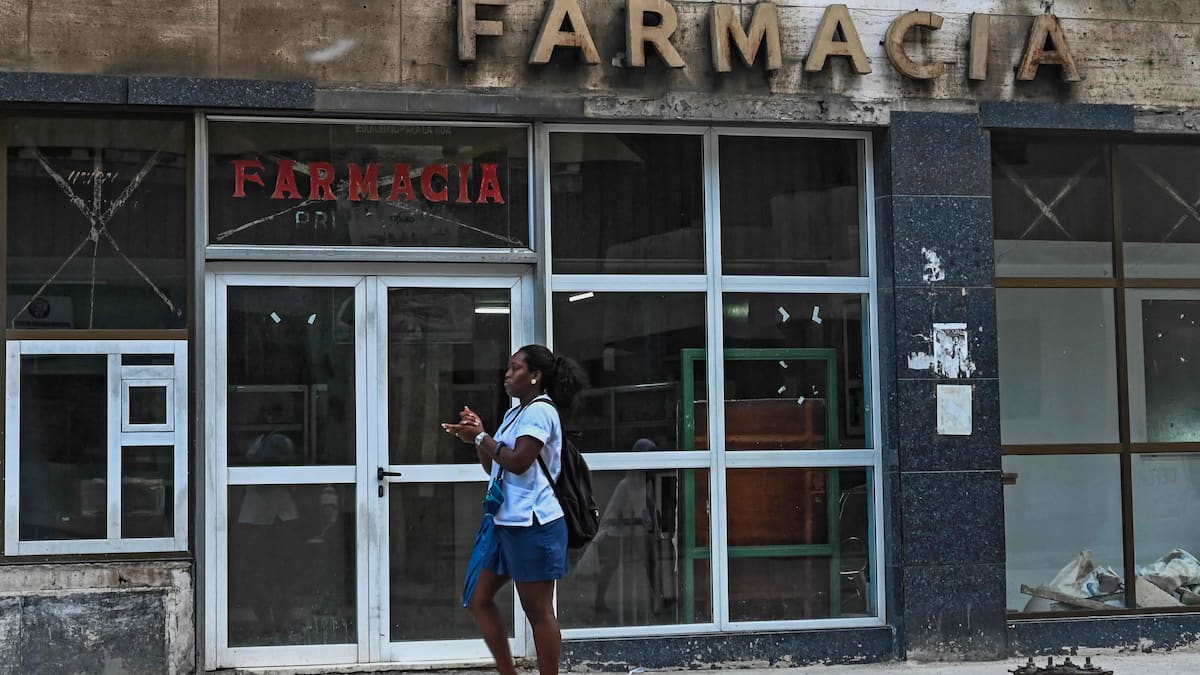
Distribution of gasoline, pharmaceutical and optical services, retirement homes, passenger and freight terminals, port facilities, vehicle imports, renewable energies, management of certain tourist and sports infrastructures, oil and mining exploitation under conditions, production of renewable energies: entire sectors of the economy are now open to the private sector.
In the field of health, care remains a “state responsibility” and “medical activity (…) continues to be guaranteed to the Cuban population with free hospital services,” the authorities said.
Education also remains the prerogative of the public sector, with a timid opening for the childcare, language courses and academic support sectors.
Health and free education are two pillars of the revolution led by Fidel Castro in 1959, even if the economic crisis has considerably deteriorated, in recent years, the basic services intended for the population.
Other sectors that remain in state hands: tobacco and cigar production, a major export product for the island, media, telecommunications, security sectors and strategic areas of defense.
Acceleration and decentralization
On June 18, Parliament approved a long list of 176 measures providing for opening almost all sectors of activity to private actors, notably agriculture and banks.
These announcements in favor of the market economy mark a historic shift for the communist island and its centralized socialist economy, which is in the grip of a deep crisis and has been under pressure for months by Washington.
They come as US President Donald Trump applies a policy of maximum pressure on the island of 9.4 million inhabitants, which has been subject to an oil blockade for almost five months.
The blockade pushed the Cuban economy, under embargo since 1962, to the brink of collapse, causing widespread power outages, as well as shortages of food, fuel, drinking water and medicine.
When announcing the new measures, the government also assured that it would accelerate and decentralize the approval of the creation of small and medium-sized businesses, authorized since 2021.
According to authorities on Wednesday, there are now more than 15,000, a figure that shows a recent acceleration in the approval process in recent weeks. They will also be able to employ more than 100 people.
They have continued to gain ground in the economic fabric. They represented more than half of retail trade in 2025 and now employ more than a third of the working population.
On Wednesday, the National Assembly of People’s Power, meeting in ordinary session, must also examine several bills concerning agriculture, housing, reorganization of the administration and labor legislation.
In agricultural matters, state ownership of land must be retained, but usufruct conditions should be considerably expanded for farmers, cooperatives, private companies, whether national or foreign.
Concerning housing, Cubans will be able to own two houses in the city (compared to one currently) and one in the countryside. The mortgage will also be authorized.