
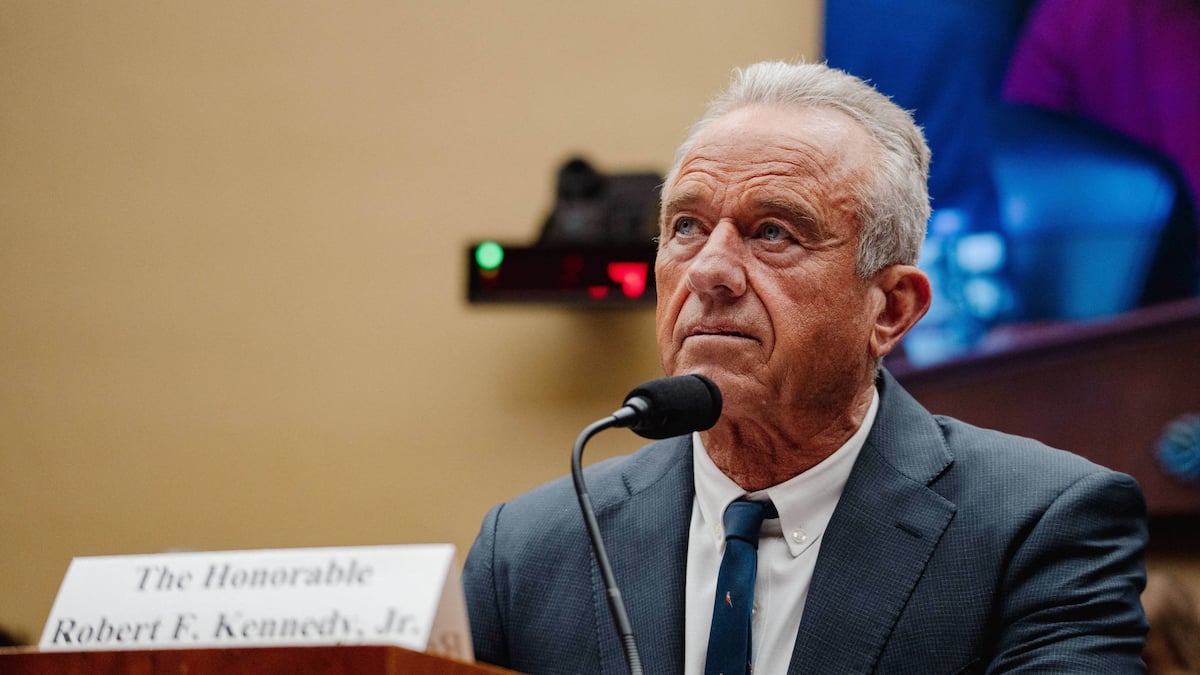

A committee of experts recommended Thursday to authorize pharmacies in the United States to design and sell several peptides, substances praised by celebrities and influencers for their supposed therapeutic benefits, a relaxation which many medical experts nevertheless opposed.
This group must decide on Thursday and Friday on whether or not to add seven peptides to the list of substances authorized for manufacture by specialized establishments in the United States, making them more accessible to the public.
After giving the green light to BPC-157, a substance promoted for its tissue repair potential, the committee also voted in favor of another peptide, KPV, touted for its anti-inflammatory effects.
Peptides are short chains of amino acids, the building blocks of proteins.
In recent years, there has been growing interest in synthetic peptides, with many influencers and celebrities crediting them with benefits ranging from brighter skin to increased muscle mass to improved brain health.
However, the clinical evidence supporting these promises is very limited, if any.
Medical experts have accused Donald Trump’s Minister of Health, Robert Kennedy Jr, of having composed this expert advisory committee responsible for advising the United States Medicines Agency (FDA) with figures with close ties to the peptide industry.
Known for his anti-vaccine positions and his promotion of alternative medicine, the minister is a defender of these substances, which he says he himself used to treat injuries.
“Potentially harmful”
The manufacture of the substances examined by the committee had been restricted under the presidency of Joe Biden due to a lack of data from human clinical trials.
These restrictions, however, did not dampen their popularity. In many cases, peptides can be purchased online from suppliers offering them “for laboratory use.”
Supporters of expanded legal access, including Robert Kennedy Jr., say restricting them only pushes Americans further into parallel markets.
By an 8-6 vote with one abstention, the committee on Thursday approved recommendations calling on the FDA to add BPC-157 and KPV to its list of authorized substances, citing “the public interest” and “medical freedom.”
“I think this approval could be potentially harmful and I cannot, in good conscience, vote for it,” committee member physician Brian Lee said in justifying his opposition to the measure.
Although not binding, this group’s decisions are generally followed by the FDA.
However, they go against the advice of the agency’s scientists, for whom the clinical evidence remains insufficient to date to justify such relaxation.
“Pseudoscience and scam”
Before reviewing each case, the committee received extensive scientific presentations on the subject and heard both favorable and unfavorable testimony from experts.
For Peter Lurie, a former FDA official who now heads the NGO CSPI, easing restrictions on these products, which for him constitute “pseudoscience and a scam”, is “incompatible” with FDA standards and dangerous for consumers.
Such relief was defended by several players in the sector including the telemedicine company Hims & Hers.
“I’m not going to tell you that the evidence for BPC-157 is strong. They are not (…) what I ask you is not to consider limited evidence as non-existent,” pleaded one of its managers, Anant Vinjamoori, to the committee, while recognizing that his company “would benefit commercially” from such relief.


