
The Ebola disease epidemic in the Democratic Republic of Congo (DRC), declared on May 15 and still not under control more than a month later, has left 304 dead, according to a latest report from the Congolese health authorities.
• Also read: Ebola: first case identified in France, a doctor returning from the DRC
• Also read: One month after the start of the Ebola epidemic in the DRC, the death toll exceeds 200
• Also read: Ebola: Uganda denounces “unfair” air restrictions
In total, 304 people died and 1,115 were infected, according to figures from the National Institute of Public Health (INSP) published Thursday. The mortality rate is 26.3%.
The DRC is facing the 17th Ebola epidemic in its history. The focus of the health crisis, the extent of which is still difficult to determine, is located in Ituri (north-east), on the border with South Sudan and Uganda, which has recorded twenty cases, including two deaths, on its territory.
A case of transmission was detected in France on Wednesday. He is a doctor of Congolese nationality, humanitarian worker on behalf of the NGO Alima. He is currently being treated in a Parisian hospital.
The French authorities and the WHO have reassured about the risk of spreading the virus in Europe and affirmed that “there is no need to panic”, nor to introduce travel restriction measures.
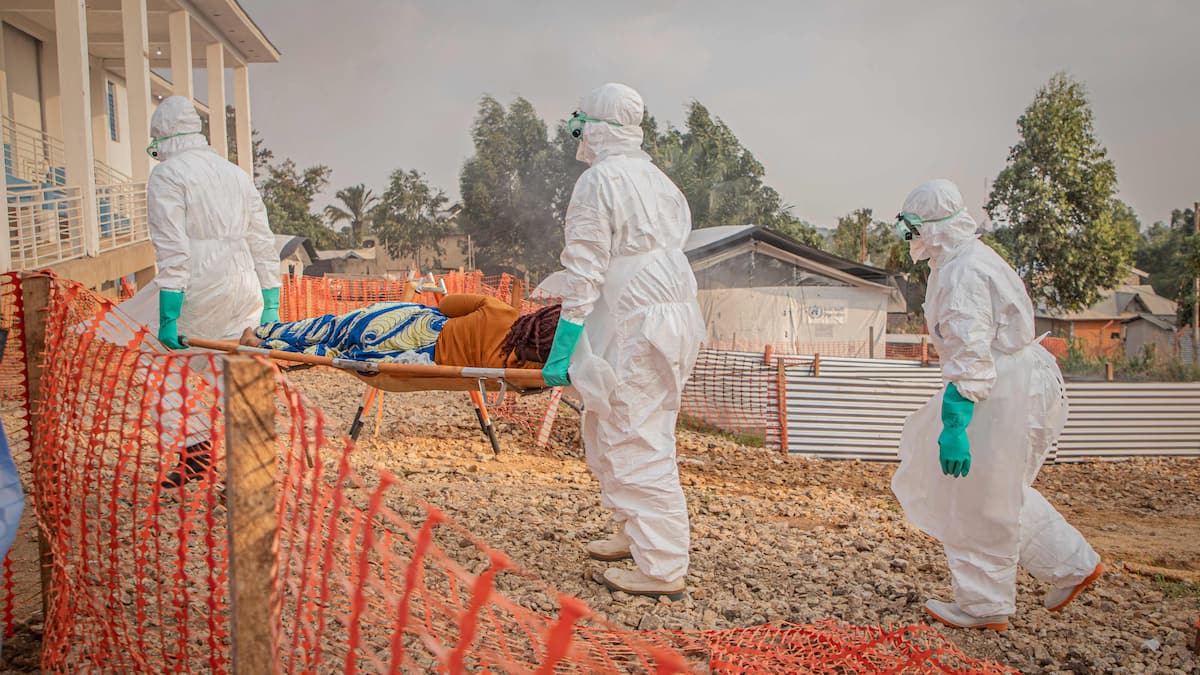
In Ituri, the means and efforts to stem the epidemic have been strengthened.
But health structures, which often operate with few resources in this country which is among the poorest on the planet, still lack basic equipment and materials, such as protection and chlorine. Some 78 caregivers were contaminated by the virus and 18 died, according to the INSP.
Caregivers and humanitarian workers are also faced with strong distrust from local communities. The reluctance to allow post-mortem samples leads to an underestimate of the number of cases. Incidents in hospitals have been reported in recent weeks, notably caused by angry residents who came to claim the remains of loved ones who died of the disease.
Humanitarians and epidemiologists believe that the peak of the epidemic has not yet been reached and fear that the health crisis will last between six months and a year.