
While we wait for the tenth and final film – in his own words – from director Quentin Tarantino, it is a good thing that we can fall back on his small but fine oeuvre. One of the films is Kill Bill. Tarantino has always seen it as one film. At the time, production and distribution was done by the independent Miramax. Yet she did not dare to pursue the vision that Tarantino had in mind, namely to release a film with a running time of four hours. The film was divided into part 1 and part 2 and thus found its way into cinemas. Those films were still successful. This four-and-a-half-hour version was released in America last year and can be seen in the Netherlands from May 2026.
The ultimate revenge story, but different
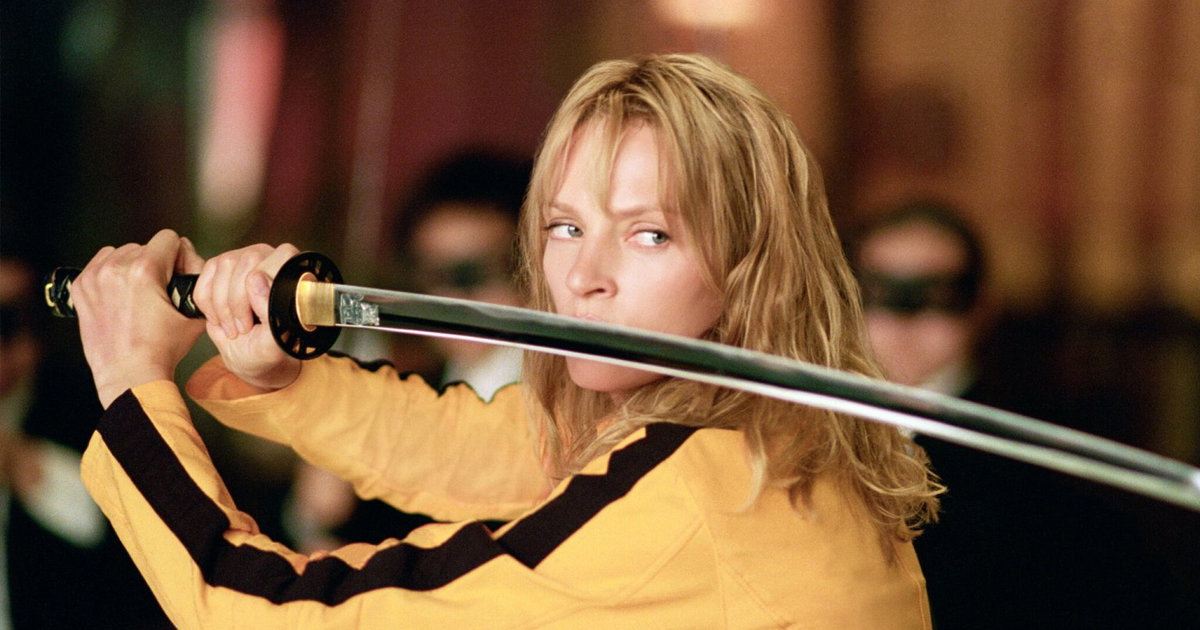
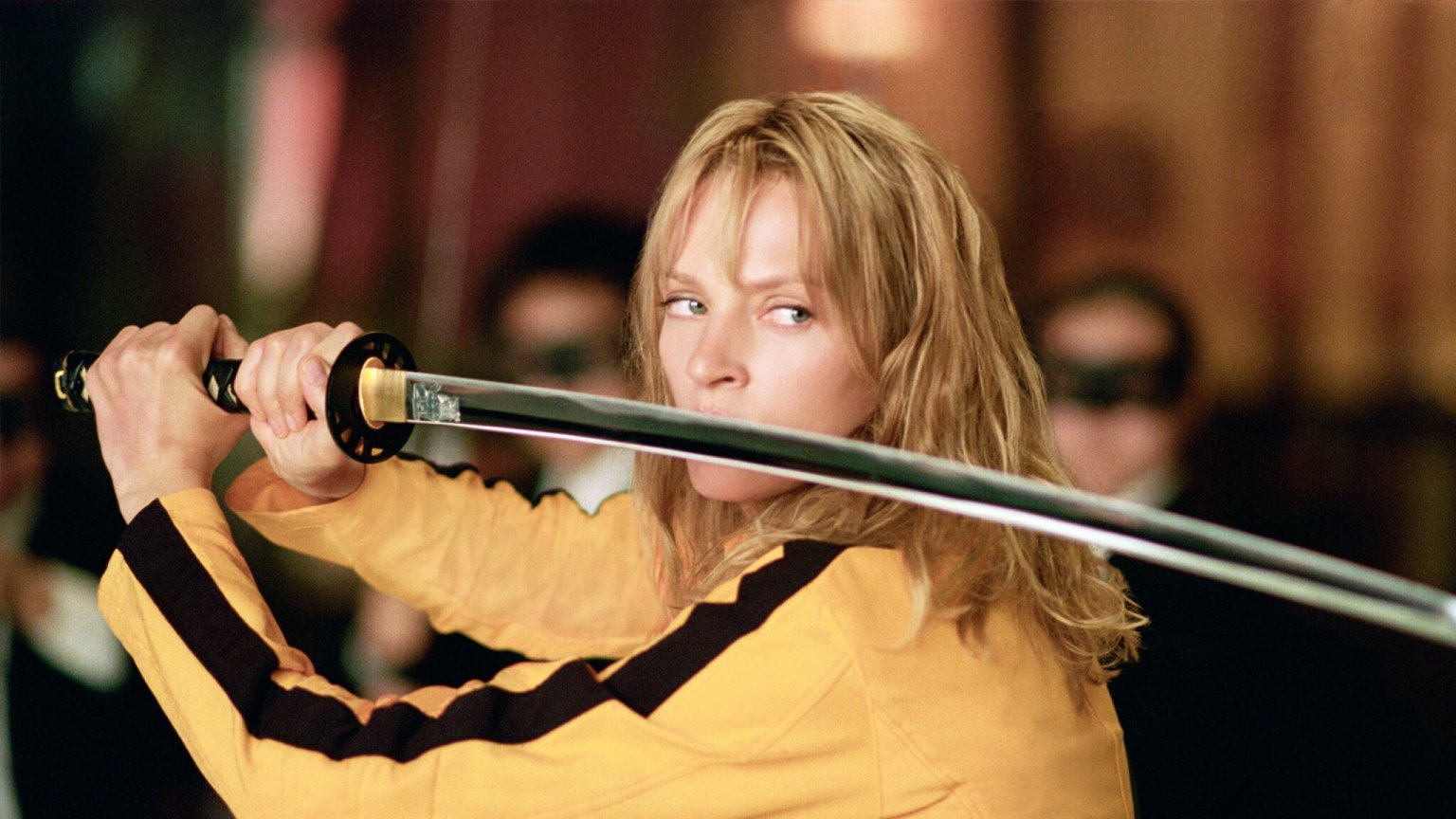
Kill Bill: The Whole Bloody Affair (2004) is the revenge story of Beatrix Kiddo aka The Bride (Uma Thurman), a former assassin – she was part of Deadly Viper Assassination Squad – who, after a four-year coma, goes on the hunt for old boss and lover Bill (David Carradine) and the other four members. Trained by Pa Mei (Chia-Hui Liu), an ancient samurai, she is a danger to everyone. Determined to kill them one by one, she first travels to Okinawa, Japan to obtain a legendary sword from master blacksmith Hattori Hanzo (Shin’ichi Chiba) and tracks down the remaining four members: O-Ren Ishii (Lucy Liu), Vernita Green (Vivica A. Fox). Elle Driver (Daryl Hannah) and Budd (Michael Madsen) op.
An ode to the great masters
As is known, Tarantino is a great admirer of all styles and genres. With a love for the old masters and their films, he is the perfect director to throw it all into a blender and create a completely new yet always fresh and original film. Also in Kill Bill references to the great masters, their style and music are again abundantly present. Think of the close-ups of faces à la Sergio Leone with his spaghetti westerns, the samurai films á la Kurosawa and the fights are indirectly an ode to Kinji Fukasaku – a reference can be seen in the intro of the film – (Battle Royale (2000)) and the Shaw Brothers Studio where legendary martial arts films came from. The scores of Ennio Morricone and Bernard Hermann are also featured. As well as music by Quincy Jones.
What are the differences?
What are the major differences between the previous two parts and this new version? Firstly, the structure and tone makes the film feel better and different. The animated scene that provides background to O-Ren Ishii is also longer and more detailed. The legendary battle with The Bride and the Crazy 88 is in full color in this version – in the earlier version it was shown in black and white due to censorship – and certain transitions and intros are different than in the two separate parts.
If you are a real fan of Tarantino, you should of course go see this version in the cinema. There is a fifteen minute intermission in the film after about two hours. Those four and a half hours really go by in no time and you won’t be bored for a minute. This crazy mix of martial arts and brutal action combined with a large dose of humor is and remains a gem from Tarantino. For those who really don’t want to miss anything: stay seated until after the credits.