
Iran’s ambassador to Beijing said on Saturday that fees would be imposed on ships transiting the Strait of Hormuz, an idea rejected by Washington, while assuring that “friendly” countries would benefit from “special” treatment.
• Also read: Lebanese president calls on Washington to stand by his country
• Also read: In Tehran, faithful call for “revenge” in front of Khamenei’s coffin
The original framework agreement between Iran and the United States to end the war included allowing commercial ships to transit the strait free of charge for 60 days, but uncertainty remains over what will happen after that time.
Iranian Ambassador Abdolreza Rahmani Fazli told the World Peace Forum in Beijing that his country was working “in collaboration and cooperation” with Oman on “new arrangements” for this strategic sea route, a key crossing point for global hydrocarbon trade.
“As a country for which Hormuz is part of its territorial waters, we will definitely impose a service fee,” the ambassador said in translated remarks, while insisting it would not be a “toll.”
“These new arrangements will relate to ensuring the security of transit through the Strait of Hormuz, supervising the passage of ships… as well as taking into account the environmental consequences of the massive number of boats” passing through there, he added.
“We will definitely consider special treatment for countries that have been friendly and particularly stood by us during difficult times,” he continued.
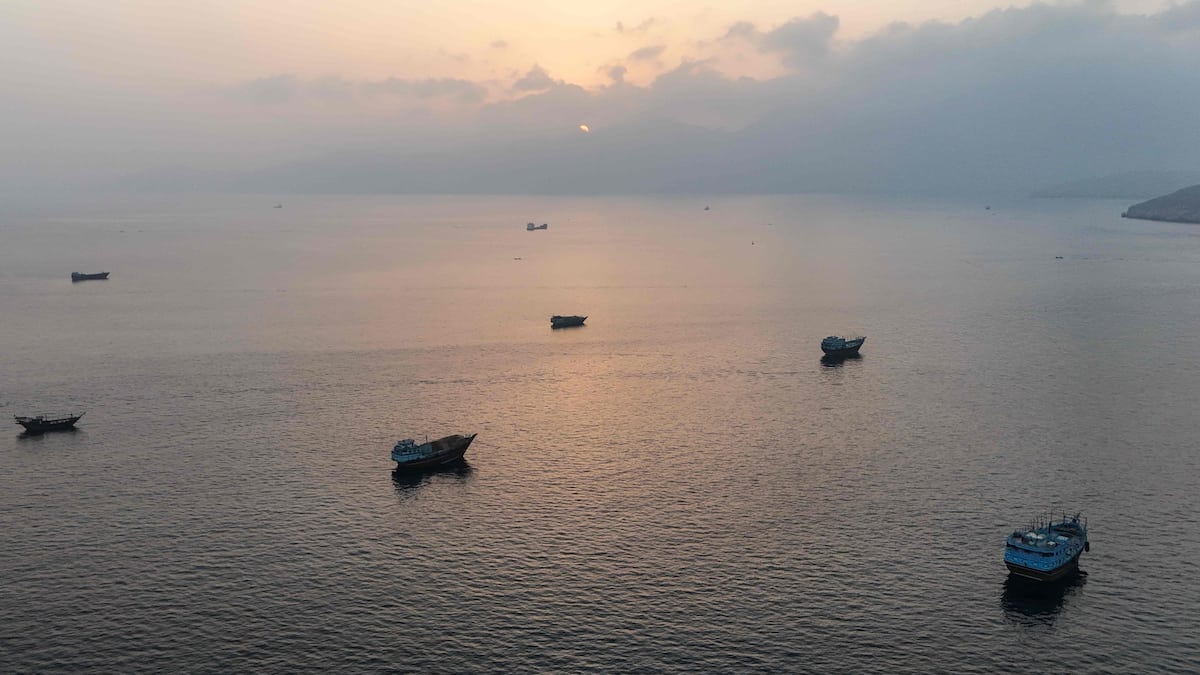
In peacetime, a fifth of the world’s oil and natural gas passes through the Strait of Hormuz which has been largely blocked since the launch of Israeli-US strikes on February 28, leading to a surge in energy prices.
Iran lifted its blockade of the strait following the signing of a memorandum of understanding with the United States on June 17. Negotiations on a permanent settlement of the conflict continue.