
German prosecutors accused the Ukrainian authorities on Thursday of having ordered the sabotage of the Russian-German Nord-Stream gas pipelines shortly after the Russian invasion of Ukraine, an announcement coming the day after the indictment of a first suspect.
• Also read: Nord Stream sabotage: a Ukrainian wanted by Germany arrested in Poland
• Also read: Nord Stream sabotage: Italian judge orders extradition of Ukrainian to Germany
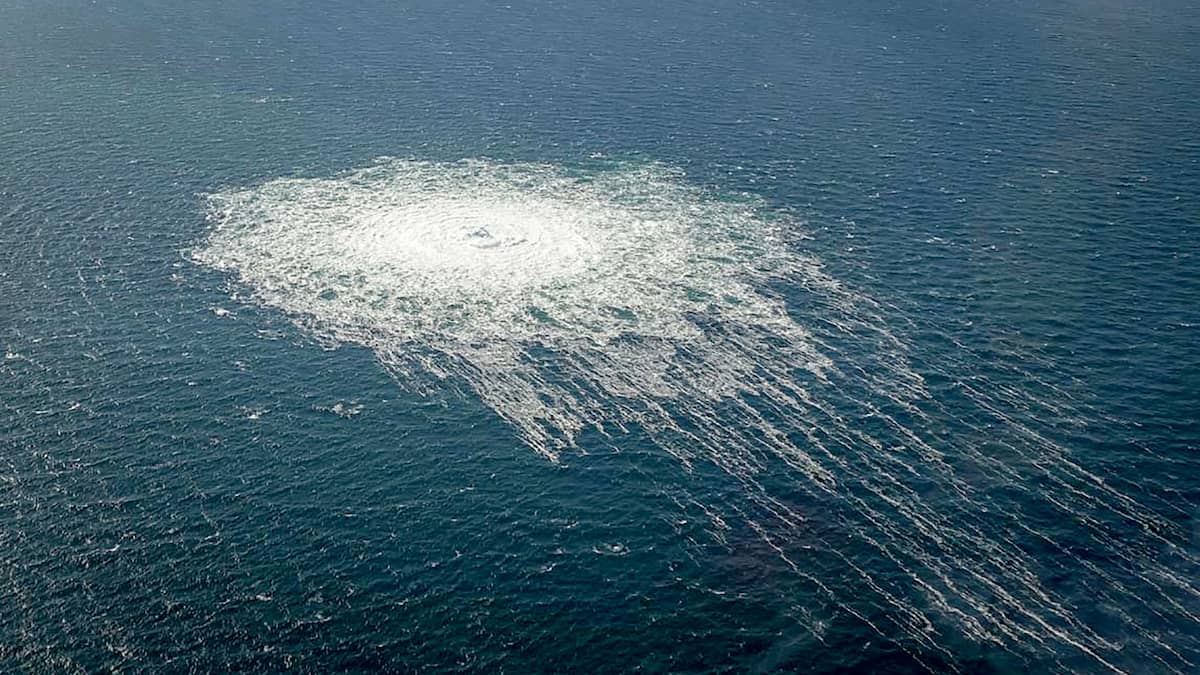
The suspect “and other soldiers developed, at the request of the Ukrainian authorities, a plan aimed at destroying the Nord Stream 1 and Nord Stream 2 gas pipelines,” the prosecution said in a press release, recalling that these underwater pipes were sabotaged with explosives in September 2022.
The accused was arrested on August 21, 2025 in Italy and then extradited in September from Italy to Germany.
Identified then under the name Serguii Kuznietsov, he claimed that he was at the time of the events, and until 2023, a commander in the Ukrainian army and maintained that he was in Ukraine at the time of the sabotage.
According to the prosecution, the suspect and his accomplices (divers, skipper and pyrotechnician) rented a sailboat in Germany before heading for the Danish island of Bornholm. From there, his team attached explosive charges to the pipes, before activating them and destroying the gas pipelines.
“The objective was to permanently prevent gas deliveries via pipelines and to ensure that Russia could no longer use revenues from the natural gas trade to finance its war effort,” notes the prosecution.
Nord Stream 2 was not in operation then. Nord Stream 1 supplied, before the Russian invasion of Ukraine, “around half of Germany’s annual natural gas needs,” the press release recalls.
Berlin has been criticized for Nord Stream, launched in 2011, because the tubes increased European energy dependence on a hostile country.
After the invasion, the EU had to put an end to most of its imports of Russian hydrocarbons, leading to a surge in energy costs.
Ukraine has never acknowledged its responsibility in the sabotage, but it has not hidden its satisfaction either, deeming legitimate any attack capable of weakening the Kremlin’s ability to finance its war.