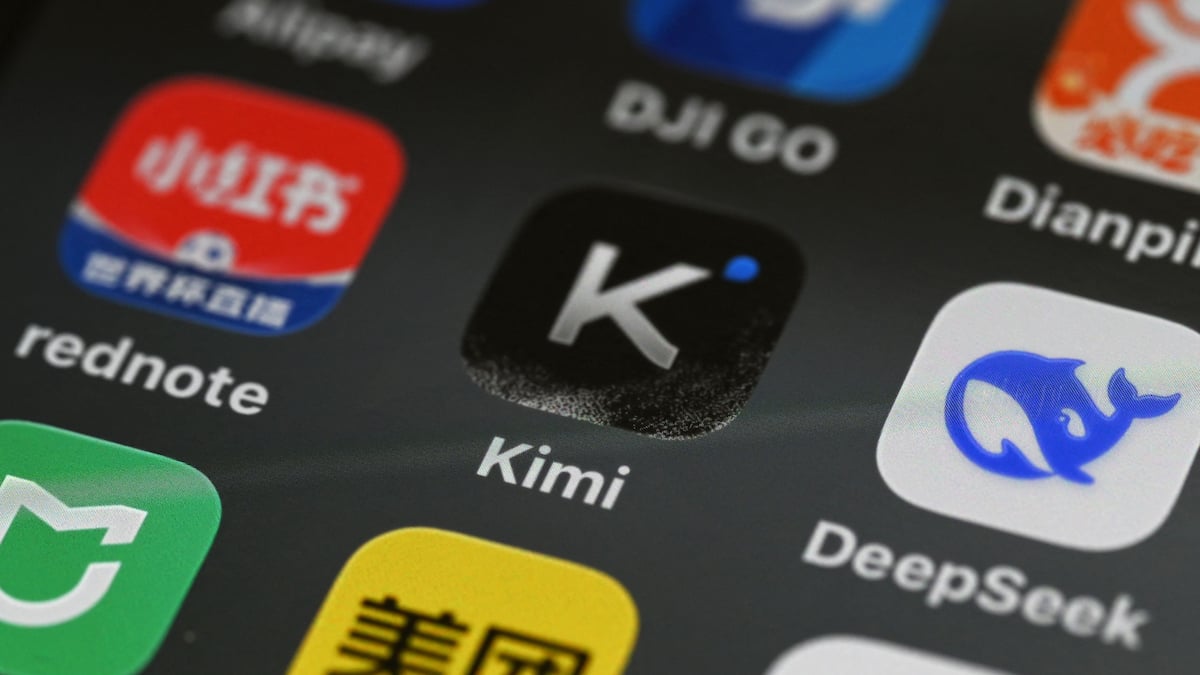

The new Kimi K3 artificial intelligence (AI) model launched on Friday by the Chinese company Moonshot AI impressed from the outset with its capabilities close to those of the most advanced American AIs, with some in the United States calling for a surge.
• Also read: Roblox will allow young people to use AI to create games on their phones
• Also read: Nvidia briefly loses its place as the world’s largest capitalization to Apple
• Also read: Netflix admits to using AI in 300 of its productions this year
Since the release, in December 2024, of V1 of competitor DeepSeek, Chinese AIs have regularly shaken up the sector with their systematically open (downloadable and modifiable) and free models.
They partially call into question the economic fundamentals of artificial intelligence as set by major Western players, with paid and closed models, that is to say only usable and not malleable.
With Kimi K3, a new level has been reached, if only in size. It was built with 2,800 billion variables (modifiable criteria), almost double the most powerful latest Chinese model (1,600 for DeepSeek V4 Pro released in April).
Moonshot AI thus prides itself on “setting the upper limit on the size of open models”.
But it was above all the performances of Kimi K3 which surprised. The era is one of comparing models according to a host of parameters and given tasks.
In this little game, Kimi K3 is close behind the racing cars Fable 5 from Anthropic and GPT-5.6 Sol from OpenAI in a number of categories.
In certain rankings, the Moonshot AI interface even comes first, particularly for programming applications or sites, according to the hierarchy established by the Arena AI reference platform (formerly LMArena).
However, the generation of computer code is, by far, the main application of generative AI currently, a market currently dominated by Anthropic and in which OpenAI is establishing itself at an accelerating speed.
“This will fundamentally change the AI race forever,” reacted on X, Alex Finn, boss of the AI agent platform Henry Intelligent Machines PBC.
“Don’t stand still”
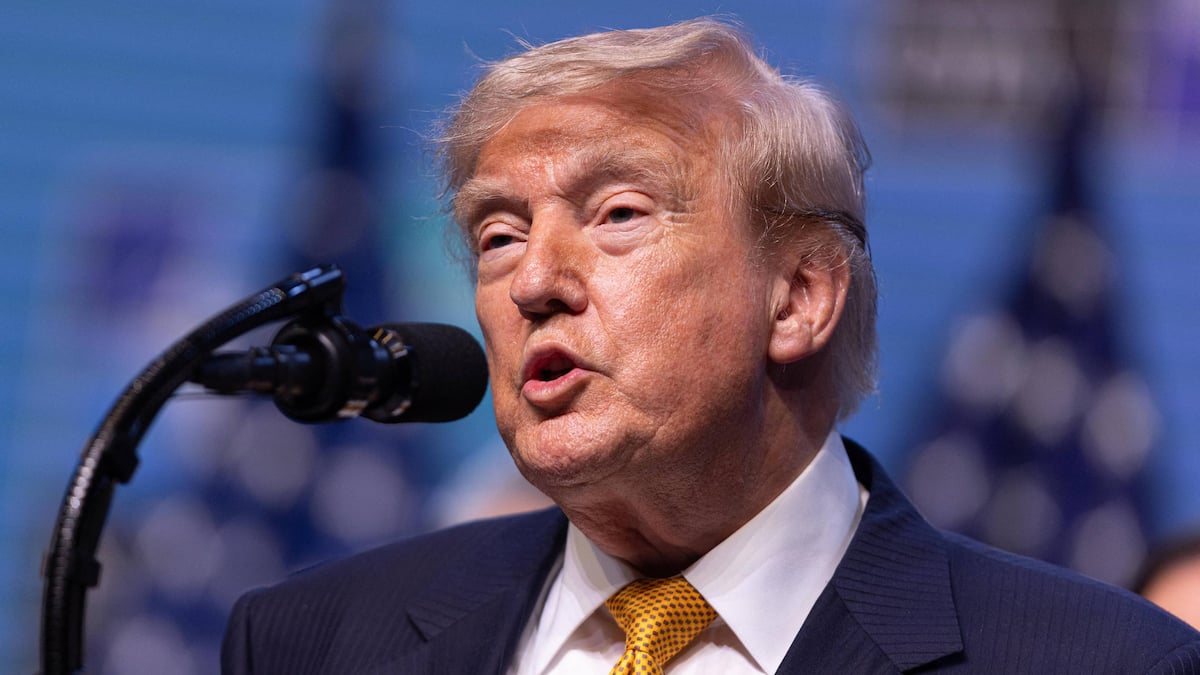
“It’s worrying,” added David Sacks, White House AI referent until March and still advisor to Donald Trump.
The entrepreneur sees in this new breakthrough a Chinese victory in the merciless struggle between the People’s Republic and the United States.
While China is still accelerating, “the United States is getting knots in its brain,” criticizes David Sacks. “Politicians and bureaucrats are banning data centers, piling on state-level regulations, and pushing for new federal agencies to have the power to license the most advanced models. »
The fifty-year-old refers to the protest movement against the establishment of new data centers, as well as the change of heart of the Trump government, which now wants to test the most sophisticated AI before they are put on the market.
For Dean Ball, also a former White House advisor on AI, seeing the Chinese system prevail would mean artificial intelligence becoming a “public good” and no longer a product, which would slow down progress and investment, because private actors would be dissuaded from getting involved.
“I wouldn’t say (the Americans) need to worry, but they can’t sit still either,” commented Hussein Abbass, professor of computer science at the University of New South Wales (UNSW) in Canberra, Australia.
Already widely followed and increasingly used in the West, Chinese models have seen renewed interest in recent months due to their lower cost, on average, than that of cutting-edge American models, at a time when the price of AI is exploding.
The emergence of AI agents, interfaces capable of carrying out, upon simple request in everyday language, a series of tasks, or even of self-assessing and then correcting themselves, has increased the need for computing power and increased the cost of a given project.
Some, including Gavin Baker, of the investment company Atreides Management, have put the impact of Kimi K3 into perspective by pointing out that the first tests showed it to consume a lot of computing power and therefore relatively expensive for an open model.
For the boss of Arena AI, Anastasios Angelopoulos, the surge in model capabilities, on both sides of the planet, will lead to geopolitical hardening.
It could result in Chinese restrictions on the export of its national models or in the United States limiting the use of Chinese AI on its territory, he explained during an interview with the “TITV” podcast.
“The competition between China and the United States is becoming so great,” he said, “that it presents higher and higher risks. »