
Hostilities between the United States and Iran have increased in intensity in recent days; the situation could remain tense and violent for a while, according to an international politics specialist.
• Also read: The ‘guardians’ of the Strait of Hormuz: the United States will be ‘paid’ to monitor it, says Trump
• Also read: Hostilities in the Strait of Hormuz: oil jumps more than 3% and it’s “little”, according to an expert
• Also read: War in the Middle East: Iran and the United States continue their mutual attacks
US forces carried out their largest strikes since the April ceasefire, while Tehran responded by targeting US facilities in Oman and Bahrain.
Tehran accuses Washington of having violated almost all the terms of the ceasefire protocol and promises to respond as long as the United States continues its strikes.
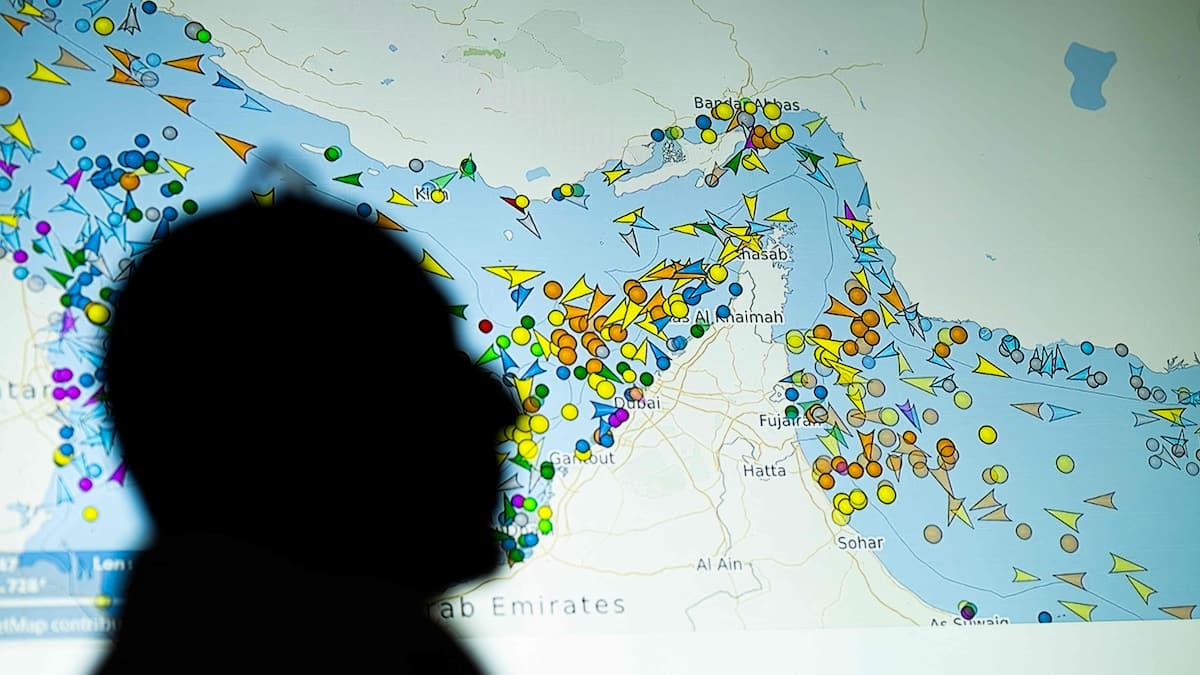
The Strait of Hormuz, to which Iran announced that it had closed access on Saturday, remains at the heart of the conflict. Moreover, the price of a barrel of oil jumped by more than 4% on Monday, sparking fears of a new surge in prices across the world.
“There’s a bit of Groundhog Day in there. Somehow, the most fundamental issue is: is the strait open or closed? And there, we are paying today the price of having wanted to give ourselves a ceasefire agreement in order to essentially have the press conference,” explained the member associated with the Raoul-Dandurand Chair Guillaume Lavoie, in an interview with LCN.
As soon as the memorandum of understanding was signed, the United States and Iran did not have the same understanding of things at all, maintains the specialist in international politics.
“For the United States, the ceasefire agreement said: the strait will be reopened. For the Iranians, their reading is that it will be reopened under our jurisdiction or what they call our operational indications and the service charge, a toll. And clearly the two cannot live together. So, the two railway rails cannot meet,” summarizes Guillaume Lavoie.

Guillaume Lavoie, associate member of the Raoul-Dandurand Chair, July 13, 2026
LCN screenshot
Next steps?
In the short term, a continuation of hostilities is to be expected, believes associate member of the Raoul-Dandurand Chair.
He anticipates that Iran will resume hitting oil infrastructures in neighboring countries, in order to use its main leverage: the rise in the price of oil.
The Americans, for their part, could reinstate their own blockade in the Strait of Hormuz in order to prevent Iran from circulating its oil ships there, says Mr. Lavoie.
Tehran, for its part, declared that free movement in the Strait of Hormuz was over.
Since 30% of fertilizers, 20% of oil and 10% of the planet’s aluminum pass through this economic artery, access to it will certainly be the priority in discussions over the coming days.
“This is probably the greatest strategic loss […] Forget nuclear power and all the other things, the heart of the coming weeks for American interventions is to try to fight to prevent the strait which was free and free from being free anymore. So the primary focus will now be around that,” says Guillaume Lavoie.
To see the full interview, watch the video above.