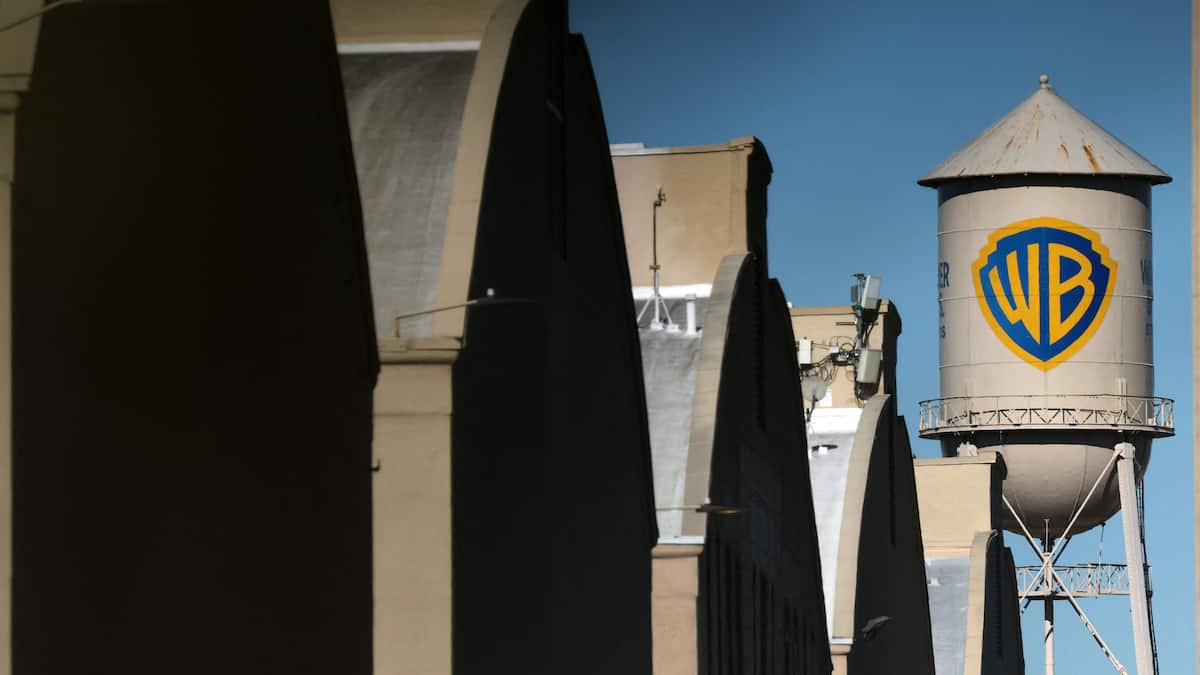

Twelve American states have launched lawsuits against the proposed takeover of the Hollywood studio Warner Bros Discovery by the American conglomerate Paramount Skydance, for around $111 billion, the Attorney General of California, leader of the group, announced in a press release on Monday.
• Also read: Paramount’s takeover of Warner validated for $111 billion
• Also read: Paramount defends its purchase of Warner Bros in Californian courts
Prosecutor Rob Bonta argued that the merger of two of the five largest film distributors in the United States would result in “higher prices, lower quality, and less content” available to the general public.
“In this country, no one is above the law,” he noted, quoted in the press release, explaining that the twelve states “are fighting for free and fair markets, not rigged markets. The United States has no king in government or in the economy.”
The plaintiffs say the transaction violates the federal Clayton Act, which prohibits mergers that have the potential to significantly lessen competition.
The states behind these lawsuits, all belonging to the Democratic camp, are: California, Arizona, Colorado, Connecticut, Massachusetts, Minnesota, Nevada, New Jersey, New Mexico, New York, Oregon and Washington.
These proceedings, launched before a court in northern California, come as the US Department of Justice validated the operation in mid-June.
After an eight-month investigation, its antitrust division concluded that the transaction was “not likely to harm competition or American consumers”, whether in streaming, television or the production and distribution of theatrical films.
It therefore decided not to challenge it, without requiring transfers of assets or commitments.
The department even considered that the merger should have the effect of “increasing competition throughout the media and entertainment ecosystem, with benefits for American consumers and workers”.
On the other hand, Paramount had to propose corrective measures at the beginning of July to try to get the green light from the European authorities. Brussels has given itself until July 22 to make its decision.
“We have been working constructively with the Commission for eight months and are convinced that these measures directly and fully address the concerns expressed in the European Commission’s preliminary assessment, while promoting rapid authorization,” a Paramount spokesperson told AFP at the time.
The operation is also subject to the green light from the United Kingdom where the government has announced that it could launch a more cumbersome procedure to ensure that media plurality is preserved.