
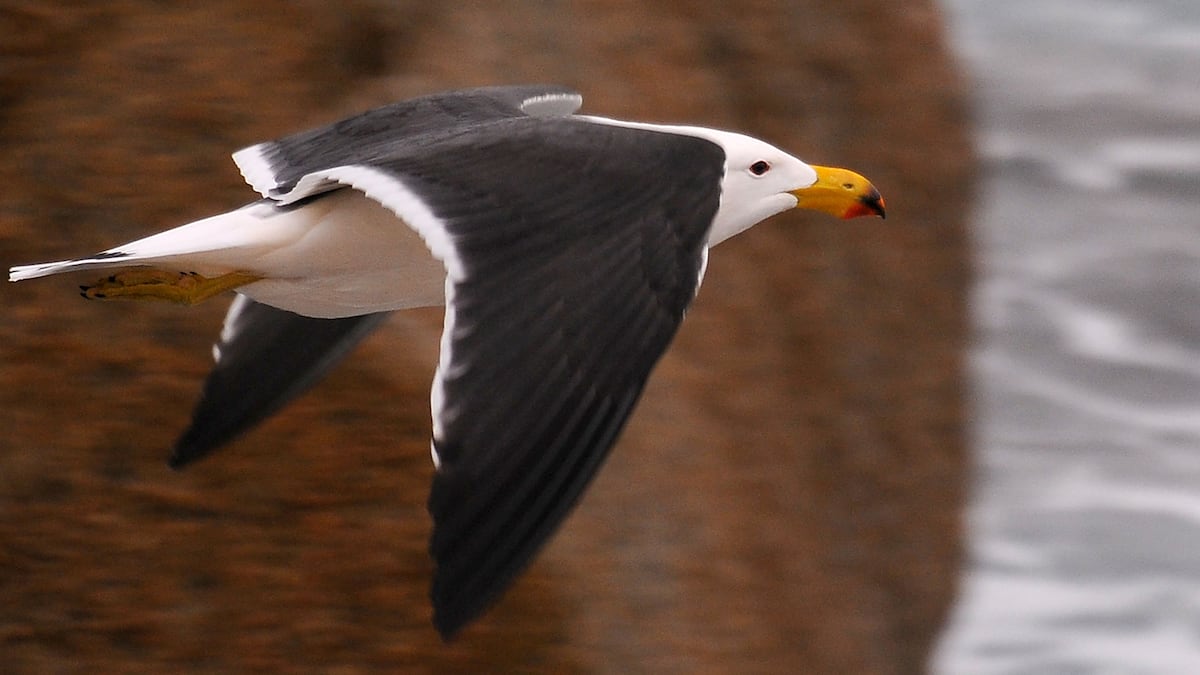

Scientists have detected the highly contagious H5 strain of avian flu in a seabird in Australia for the first time, the government announced Friday.
• Also read: H5 bird flu detected in second Australian state
• Also read: Australia tracking any signs of possible new cases of H5 bird flu
Twelve cases of H5 avian flu have been recorded in the country since June, but they only concerned migratory birds and not local wildlife.
Laboratory tests confirmed the virus infection of a great crested tern, a large seabird, in the southern coastal town of Robe in South Australia state.
“While this is a concerning development, it is not unexpected,” Australian Agriculture Minister Julie Collins said at a press conference, stressing that “there is still no evidence of any mass mortality due to the H5 avian influenza virus.”
There is also no sign of the virus spreading to other animal populations or poultry “and the risk to human health remains low,” she added.
The habitat of crested terns “overlaps” with that of migratory seabirds which recently tested positive, the minister also said.
Experts previously said they were investigating whether the disease arrived in Australia via migratory birds from the sub-Antarctic.
Last week, scientists reported that the H5 strain of avian flu was the cause of the death of more than 13,000 young elephant seals on the Heard and MacDonald Islands, more than 4,000 km off the coast of southwest Australia.