

The United States announced Wednesday that it would remove Syria from its blacklist of countries accused of supporting terrorism, a decades-old classification that limited investments in the country.
• Also read: Syria: double bomb attack near the hotel where Macron spent the night, 18 injured
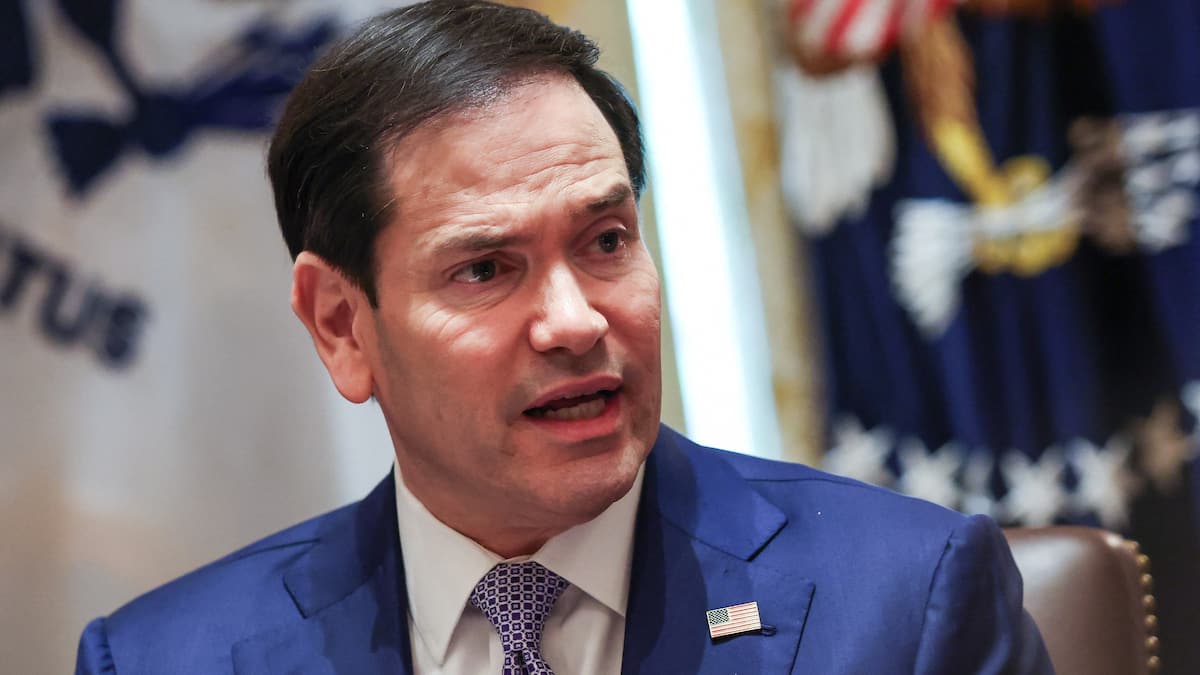
Secretary of State Marco Rubio formally informed Congress of the long-awaited decision, which will take effect in 45 days unless lawmakers unexpectedly choose to block it.
This announcement comes after the meeting on the sidelines of the NATO summit in Turkey between Donald Trump and Ahmed al-Chareh, a former jihadist who became president of Syria after the coup d’état against the regime of Bashar al-Assad in December 2024.
“This is another historic step by President Trump to give the Syrian people a chance for greatness,” Marco Rubio said in a statement.
“Lifting sanctions on Syria will unblock international trade and investment, give Syria a chance to rebuild, and open a new chapter for the Syrian people,” he continued.
The dubbing of Ahmed al-Chareh by Donald Trump comes despite the reluctance of Israel, which has carried out airstrikes in Syria on several occasions.
The US president had previously publicly pushed for a peace deal between Israel and Syria, but ultimately chose to lift the classification despite no progress in negotiations.
In his statement, Marco Rubio explained that this decision was taken after receiving “formal assurances” from Ahmed al-Chareh that “Syria will not support acts of international terrorism in the future.”
He argued that a “Syria that is stable, unified and at peace with itself and its neighbors will not only benefit the region, but the entire world.”
Donald Trump began lifting most sanctions against Syria a year ago, after Turkey and Saudi Arabia encouraged him to meet Ahmed al-Shareh.
“He is doing incredible work to unify Syria,” the American president said about him during the meeting in Ankara.
Syria has been on the US list of countries accused of supporting terrorism since its inception in 1979.
After this decision, only Iran, North Korea and Cuba remain on this list.