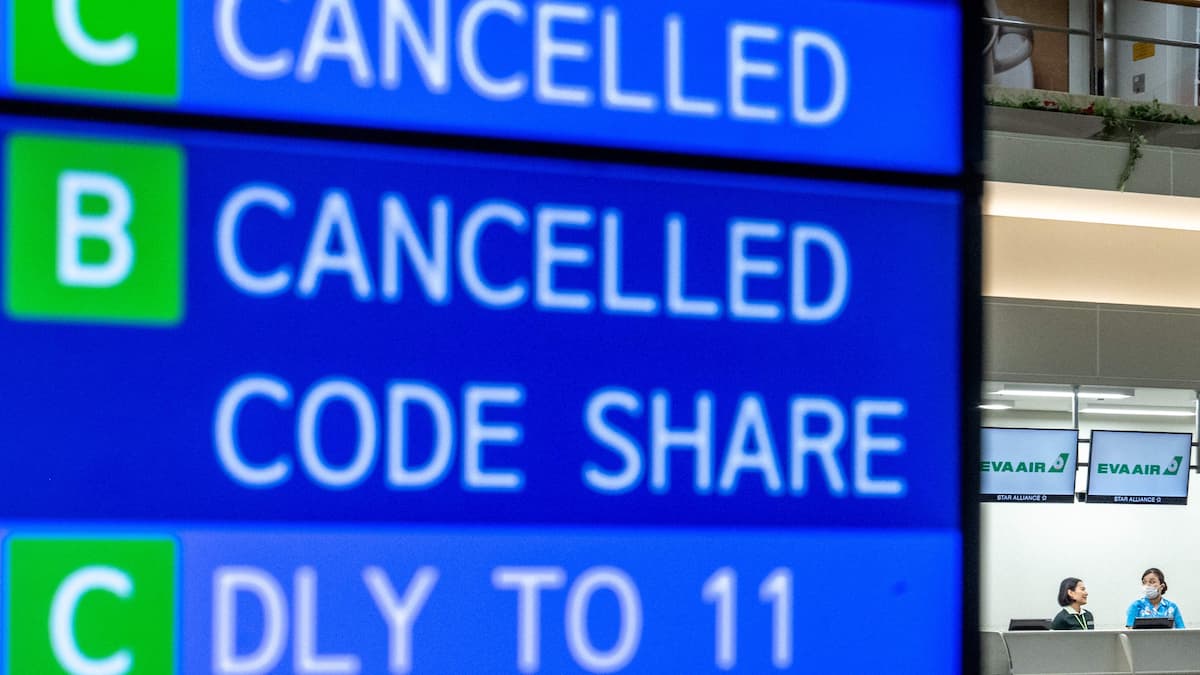
One in three TGVs will remain at the platform on Wednesday June 10, and one in two Intercité trains, with “strongly disrupted” regional traffic. The four representative unions of the SNCF are calling for a 24-hour strike to demand a moratorium on the arrival of competition, the first social test of the Castex era.
For this warning shot, the unions have chosen a strike date excluding major departures, weekends or baccalaureate and are expecting “significant” mobilization. Monday evening, SNCF Voyageurs gave an overview, anticipating the cancellation of one TGV in 3, one Intercité in two on Wednesday and “strongly disrupted regional traffic” in particular in Île-de-France “on most lines”.
The railway group plans to “mobilize all its resources” by using in particular supervisors to replace striking staff, as permitted by law. “Our goal is not to wipe out the strike but to ensure the best service for our customers,” assures SNCF management, while admitting that it does not “have the means to exhaustively fill” all the staff who plan to be on strike that day.
The unions are especially opposed to the implementation of competition on French rails by Jean Castex’s predecessor at the head of SNCF Jean-Pierre Farandou. This “malfunctions” denounce the CGT Cheminots, Unsa Ferroviaire, Sud Rail and the CFDT Cheminots.
In addition to a halt to ongoing reorganizations and spinoffs, generating “health and social emergencies” among railway workers, the unions are demanding a general increase in wages. According to them, the salary improvements obtained for 2026 are far from compensating for the inflation observed since the outbreak of war in the Middle East at the end of February.
Thirteen suicides at the start of 2026
“First, we ask that the railway workers of the unified public group (GPU) and those assigned to the newly created subsidiaries have the same rights,” underlined Monday Thierry Nier, general secretary of the CGT Cheminot, the group’s first union, during a joint press conference with the three other organizations. “Negotiations can begin today, the ball is in the management’s court,” he added.
Before his arrival at the head of SNCF in November 2025, former Prime Minister Jean Castex assured Parliament that he would be the president of a unified group. “We say ‘poor’ to him,” adds Thierry Nier, asking that the State “resume its role as strategist” in the face of the risk of the company falling apart.
Evoking “a tipping point” in the social practices of the SNCF, the unions point out that the beginning of 2026 was marked by thirteen employee suicides, unheard of in the memory of railway workers. “We are seeing uneasiness regarding the meaning of work, a global uneasiness, particularly in management: the reorganizations are crushing some of our colleagues,” says Fabrice Charrière, from Unsa Ferroviaire.
In the sights of the unions, the myriad of subsidiary companies created or in the process of being created at the SNCF to respond to calls for tenders from the regions which want to increase the number of trains for better service, while lowering their costs.