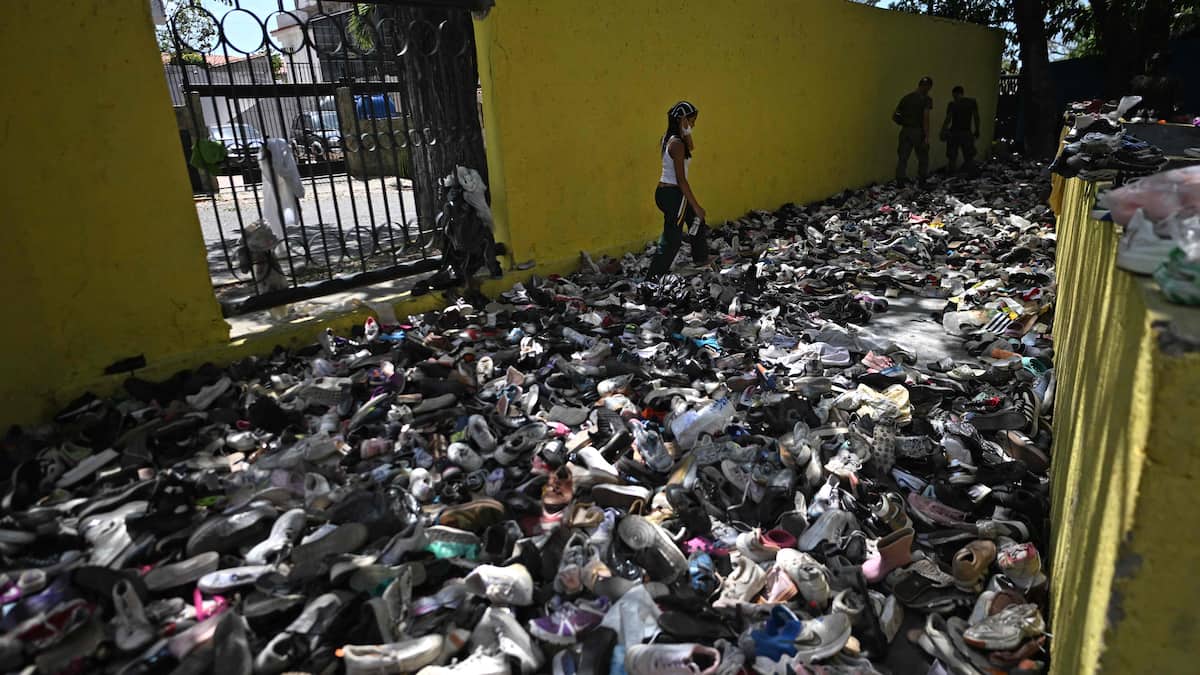

Between the lack of food and the threat of epidemics, Venezuela appears to be in dire need on Wednesday, a week after its worst earthquake in more than a century, which left more than 2,000 dead and tens of thousands missing.
• Also read: Earthquakes in Venezuela: new toll of 1,943 dead, 10,500 injured and more than 6,000 people rescued
• Also read: Earthquakes in Venezuela: the UN warns of the cruel lack of food and shelter
• Also read: Earthquakes in Venezuela: more than 58,000 buildings damaged or destroyed
Faced with the scale of the tragedy, the interim president of Venezuela, Delcy Rodriguez, declared a seven-day national mourning on Wednesday “in homage to the memory of the victims”.
Their number was revised upwards with 2,295 dead and more than 11,000 injured, according to the President of the National Assembly, Jorge Rodriguez, while it stood at just under 2,000 dead on Tuesday.
Each hour that passes reduces the chances of finding survivors, like this three-year-old child miraculously saved Tuesday by Jordanian rescuers.
In La Guaira (north), the hardest hit coastal state, dozens of destroyed buildings bear a large spray-painted letter D. Meaning “deceased”, according to the international nomenclature for search and rescue operations during earthquakes, it buries hopes of finding survivors under the rubble.
In a country already subject to information restrictions in recent years, the government limited access to La Guaira after the tragedy by requiring volunteers to have a pass.
“It was extremely difficult to reach Venezuelan territory,” Luis Arteaga Benatuil, a member of the Spanish search and rescue group USAR 13, told AFP. “We arrived late, very late (…), but our objective remains to save lives.”
The disaster of June 24 did not recover all its victims. The United Nations estimates that 50,000 people are missing.
“Tell the truth!” »
The scale of the material damage plunged part of the country into chaos. “The most serious thing is the deaths,” storms Gladys Barrios, 76 years old. “I ask you to tell the truth about the number of deaths. It doesn’t matter what state they’re in, but let them get them out.”
For the living, the Venezuelan authorities have set up aid distribution centers, but survivors feel more supported by foreigners and volunteers.
“At the beginning, everything was going well, but then the bad organization started: first the soldiers themselves helped themselves and then you were left with what was left,” says Yohana Alvarez, a displaced seller.
“These are people from outside who are helping us,” protests Tibisay Méndez on the social network TikTok, while “the police and civil servants sent there are content to take photos.”
Four Venezuelan police officers were arrested for looting in the area of the double earthquake, the Justice Ministry announced on social networks after the publication went viral of agents caught red-handed by furious residents.
The affected areas appear to have been razed to the ground, with huge holes in the heart of standing, but now unusable, homes. Based on satellite images, NASA estimates that around 58,870 buildings were damaged or destroyed.
In the state of La Guaira, “food shortages are widespread, basic services have collapsed and communications are largely cut,” the United Nations High Commissioner for Refugees (UNHCR) warned on Tuesday.
“Tensions within the population are increasing, while access to aid remains limited.”
Fátima Berroterán, 56, lived in one of the 20 towers of the Brisas de Maiquetía residence. She and her family sleep in the parking lot.
“Here, nothing happened to us. It’s only since that night that they started bringing us water,” she explains. “Most of them don’t have tents, we can’t stay in the apartments.”
The World Food Program (WFP) has launched an appeal for $50 million to feed 500,000 people for three months.
“I’m devastated”
Many families “are threatened with falling even further into precariousness,” fears Stephanie Hochstetter, head of the UN agency in the country.
The World Health Organization (WHO) also fears epidemics and is concerned about “inadequate” systems for tracking the missing and recording victims.
Disruptions to health services, water and sanitation networks, combined with population movements, could promote outbreaks of “vaccine-preventable diseases such as measles, diphtheria and whooping cough,” warned a WHO spokesperson, Christian Lindmeier.
The UNHCR estimates its needs at around $15 million, notably to temporarily shelter 30,000 people for six months.
In the meantime, the survivors are doing what they can, like Celix Ruiz, in Ciudad Piar (east), who sleeps in the parking lot of a pharmacy. “Here, no one wants to go to a shelter.”
Others roll up their sleeves, like Diorjailis Escalona, a 23-year-old doctor who became a volunteer. “I am devastated to see so many lives lost (…), but we are trying to help,” she says.
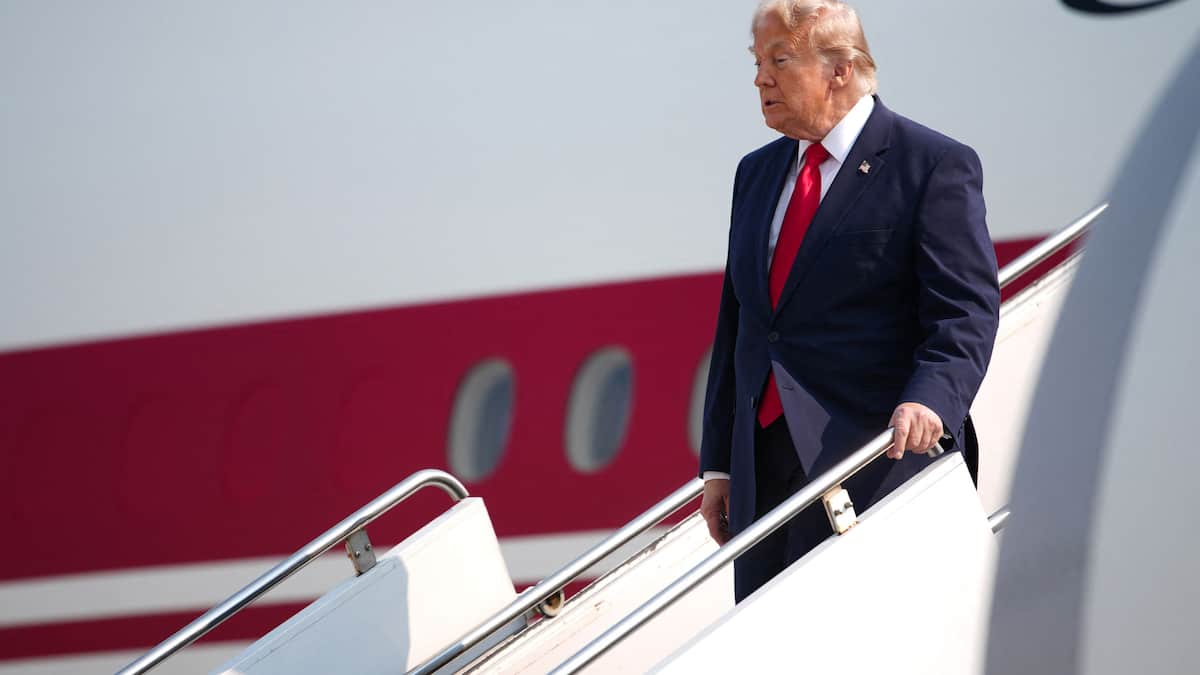
The United States doubled the amount of bilateral aid after the tragedy, for a total of $300 million directed to NGOs and UN agencies.
The Portuguese government decided on Wednesday to decree a day of national mourning on Sunday, in tribute to the victims of the earthquakes, among whom are at least 70 Portuguese or immigrants of Portuguese origin.